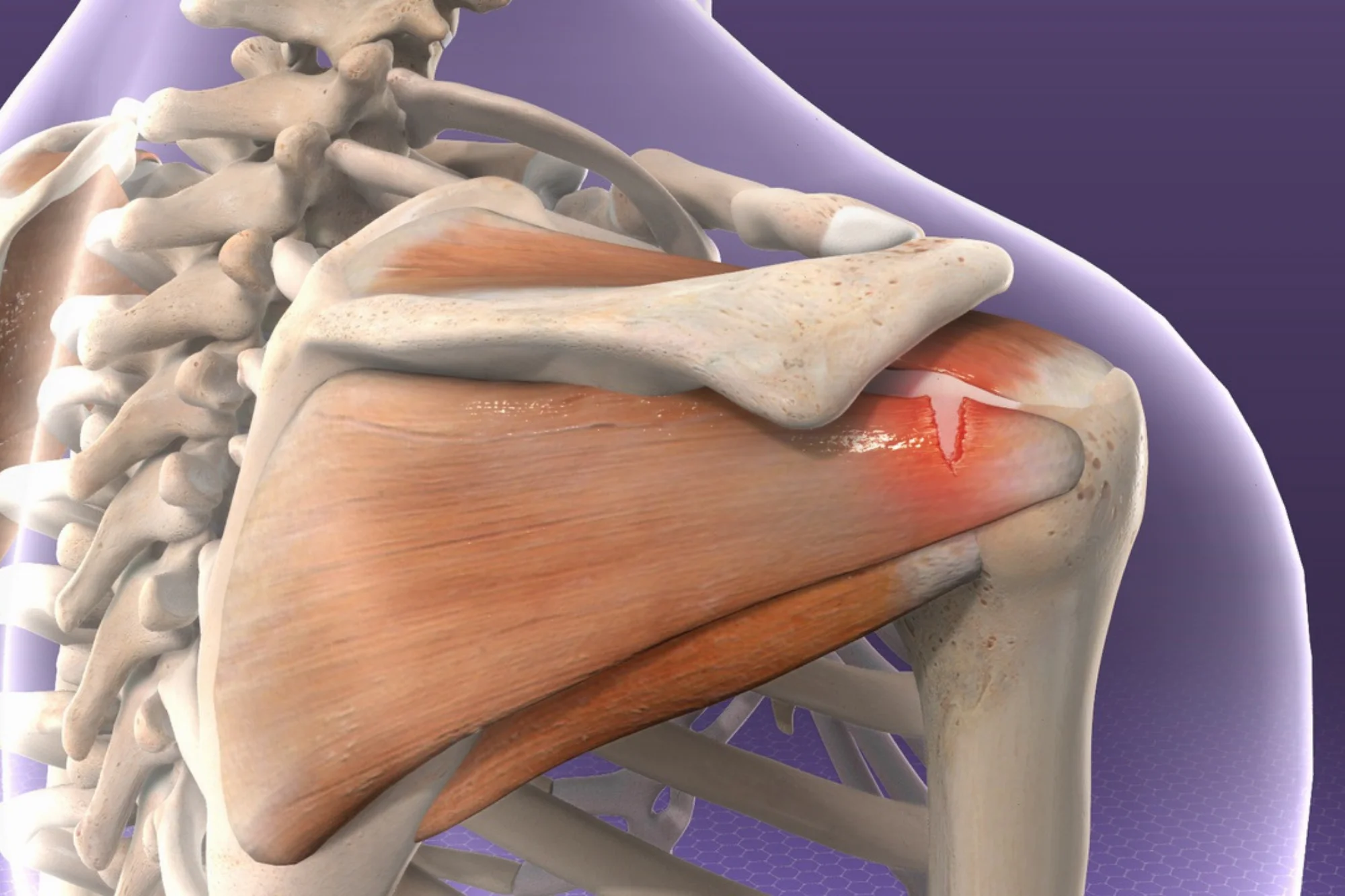

Experiencing chronic shoulder pain can interfere with your daily life. Simple tasks like reaching for a cup, getting dressed, or even sleeping comfortably can become difficult and frustrating. When non-surgical treatments no longer provide relief, your doctor may discuss a procedure known as total shoulder replacement. This surgery offers a potential path toward reducing pain and restoring function in a severely damaged shoulder joint.
Key Takeaways
- Total shoulder replacement is a surgical option for treating severe shoulder arthritis and other conditions that cause chronic pain and loss of motion.
- The procedure involves replacing the damaged ball and socket of the shoulder joint with smooth, artificial components.
- Recovery typically involves a structured physical therapy program, which can be important for achieving the best possible outcome.
The Anatomy of the Shoulder Joint
The shoulder is one of the most mobile joints in the human body. This incredible range of motion comes from a delicate balance of bones, cartilage, tendons, and muscles. The shoulder joint, or glenohumeral joint, is a classic ball-and-socket mechanism. The “ball” is the top of the upper arm bone, called the humerus. The “socket” is a shallow depression in the shoulder blade, known as the glenoid.
Both the ball and the socket are normally covered with a material called articular cartilage. This cartilage allows the bones to glide against each other, providing smooth and pain-free movement. Surrounding this joint is a group of four tendons called the rotator cuff. The rotator cuff stabilizes the joint and helps lift and rotate the arm. When this intricate system breaks down, pain and stiffness often result, making a total shoulder replacement a consideration.
When Is Total Shoulder Replacement Necessary?
An experienced shoulder surgeon may recommend a total shoulder replacement when severe joint damage causes chronic pain and limits your ability to move your arm. This decision is usually made after a thorough evaluation and when conservative treatments have failed to provide lasting relief.
Conditions Leading to Joint Damage
Several conditions can lead to the kind of joint deterioration that makes a total shoulder replacement a viable option.
Osteoarthritis (Wear-and-Tear Arthritis): Over many years of use, the articular cartilage may gradually wear away. This causes the bones to rub directly against each other, which can result in pain, stiffness, and the formation of bone spurs. The pain often worsens over time and may become particularly bothersome at night.
Rheumatoid Arthritis: Rheumatoid arthritis is an autoimmune disease. In this condition, the body’s immune system mistakenly attacks the lining of the joint, causing inflammation. This inflammation can eventually destroy the articular cartilage and the underlying bone.
Post-Traumatic Arthritis: This type of arthritis develops after an injury to the shoulder, such as a severe fracture or a dislocation. The injury itself can damage the cartilage, or the altered mechanics of the joint following the injury can lead to accelerated wear and tear over time.
The Total Shoulder Replacement Procedure
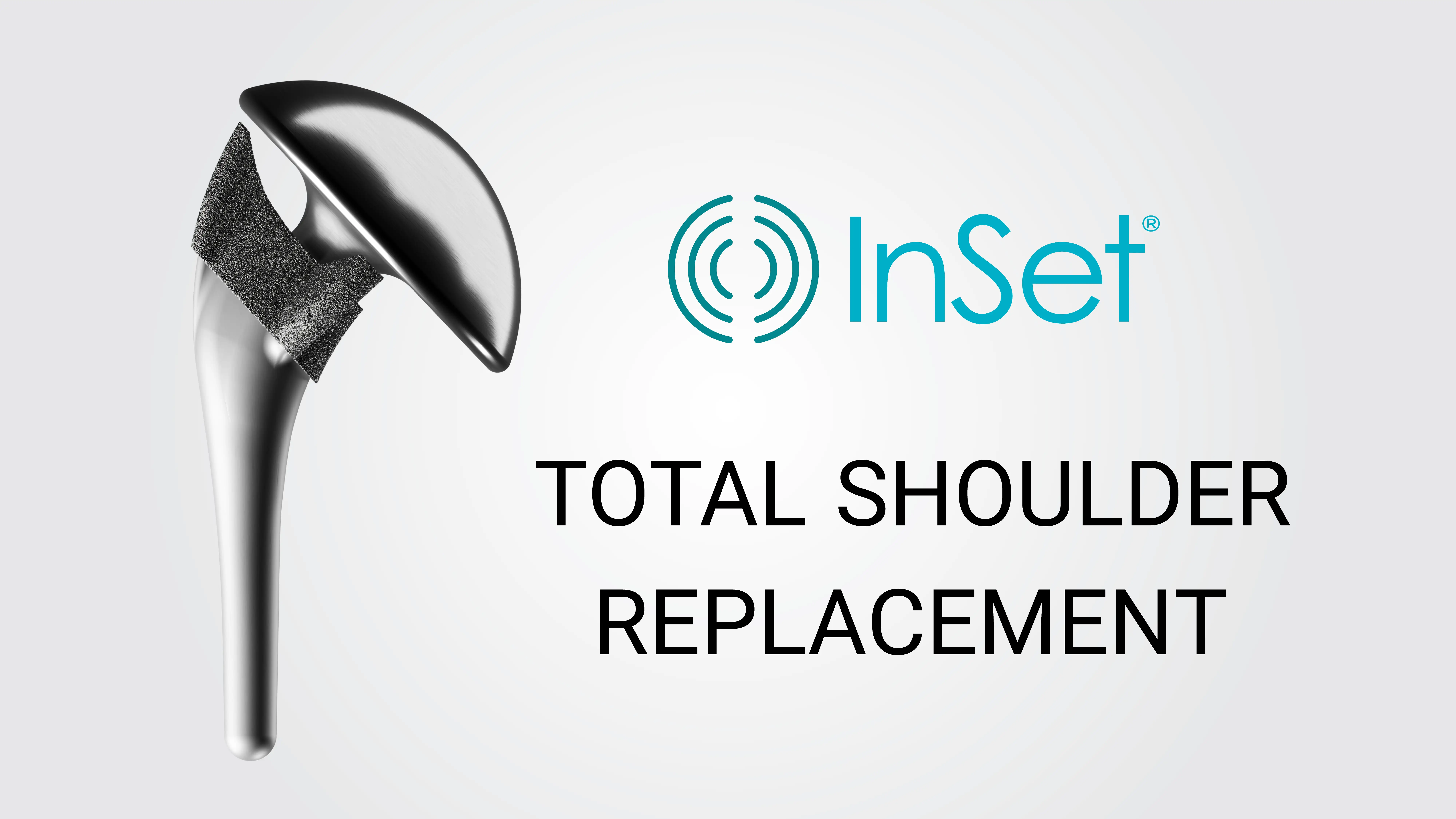
The goal of a total shoulder replacement is to remove the damaged parts of the joint and replace them with smooth, artificial components, which are often made of metal and plastic. A total shoulder replacement mimics the natural anatomy of the shoulder, as opposed to a reverse shoulder replacement which reverses the two components.
Preparing for Surgery
Your surgical team may conduct a thorough pre-operative evaluation. This typically includes a complete physical examination, blood tests, and imaging studies, such as X-rays and sometimes a CT scan. This advanced imaging helps the surgeon plan the procedure precisely.
The Surgical Steps
The operation is performed in a hospital or surgical center. You will receive anesthesia, which may be general anesthesia (putting you completely to sleep) or a regional nerve block combined with sedation. The choice of anesthesia will be discussed with your anesthesiologist. During the procedure:
- Incision: The surgeon makes an incision, usually on the front of the shoulder.
- Accessing the Joint: The surgeon carefully moves the muscles and tendons to gain access to the damaged joint.
- Replacing the Humerus (The Ball): The surgeon removes the damaged head of the humerus (the ball). A metal stem is then inserted into the center of the humerus. A new, smooth metal ball component is attached to the top of this stem. In some cases, a stemless implant may be used, which is designed to preserve more of your natural bone.
- Replacing the Glenoid (The Socket): The surgeon prepares the glenoid (the socket) by removing the damaged cartilage and smoothing the bone. A plastic component is then cemented or pressed into the glenoid bone. This new socket provides a smooth surface for the new metal ball to glide against.
- Closing the Incision: Once the new joint is securely in place, the surgeon repairs the surrounding tissues and closes the incision.
The Recovery and Rehabilitation Process
The success of a total shoulder replacement may depend on your commitment to the post-operative recovery and rehabilitation process. This journey requires patience and dedication, but it can be important for maximizing your long-term function.
Immediately After Surgery
Pain management is a priority during this time. Your care team may use a combination of medications to keep you comfortable.
- Immobilization: Your arm will be placed in a sling to protect the new joint. You will need to wear this sling for several weeks, as directed by your surgeon.
- Early Movement: Your physical therapist may begin gentle, passive range-of-motion exercises almost immediately. “Passive” means the therapist moves your arm for you, ensuring the new joint moves without your muscles having to contract. This early, controlled movement is helpful for preventing stiffness.
Physical Therapy: The Cornerstone of Recovery
Physical therapy is usually an important part of recovery. While exact exercises and timelines may differ, it is a structured, multi-phase program designed to gradually restore your strength and mobility.
Phase 1: Passive Motion: The focus during this initial phase is protecting the surgical repair and regaining passive range of motion. You will not actively lift or move your arm on your own. The therapist may guide your arm through specific movements to ensure the joint heals correctly and does not become stiff.
Phase 2: Active Motion: Once your surgeon determines the joint is stable and healing well, you may begin active range-of-motion exercises. You will start using your own muscles to lift and move your arm. The goal is to regain functional movement and begin light strengthening.
Phase 3: Strengthening: This phase focuses on building strength and endurance. You may use resistance bands, light weights, and other equipment to strengthen the muscles around the shoulder. The therapist will tailor this program to your specific needs and goals, such as returning to sports or work activities.
It is important to remember that every patient’s recovery timeline is unique. Full recovery and the maximum benefit from a total shoulder replacement can often take six months to a year or longer.
Summary
A total shoulder replacement is a procedure that may be recommended for individuals suffering from debilitating shoulder pain and loss of function due to severe arthritis or other joint damage. The decision to proceed with surgery is a personal one, made in careful consultation with your orthopedic surgeon.
The procedure itself involves replacing the damaged ball and socket with artificial components. While the surgery provides the foundation for recovery, your dedication to rehabilitation and recovery is a key factor in achieving the best possible outcome. By understanding the anatomy, the procedure, and the recovery process, you empower yourself to make an informed choice
Frequently Asked Questions
When can I return to work?
The time it takes to return to work depends heavily on the type of work you do. If your job is sedentary (desk work), you may be able to return within a few weeks. If your job involves heavy lifting or strenuous physical activity, you may need to wait longer or make modifications. Your surgeon can make recommendations based on your specific case.
How long does the total shoulder replacement surgery take?
The operation typically takes between one and three hours, though this can vary depending on the complexity of your specific case.
Can I still play sports after a total shoulder replacement?
Many patients return to low-impact sports and activities like golf, swimming, and doubles tennis. High-impact sports, such as football, or activities that involve heavy, repetitive lifting, may generally be avoided to protect your new joint. Your surgeon and physical therapy can provide personalized recommendations.