Shoulder Surgery & Treatment in Syracuse, NY
Nathan G. Everding, MD | Orthopedic Shoulder Specialist
Expert Shoulder Care in Central New York
Nathan G. Everding, MD is a board-certified and fellowship-trained orthopedic surgeon specializing in shoulder surgery and treatment. Providing comprehensive evaluation and treatment for all shoulder conditions. He offers both conservative management options and advanced surgical techniques including arthroscopy, shoulder replacement, and regenerative therapies.
His goal is to accurately diagnose the source of shoulder pain and develop personalized treatment plans that restore function and improve outcomes for patients throughout Central New York.
Shoulder Anatomy
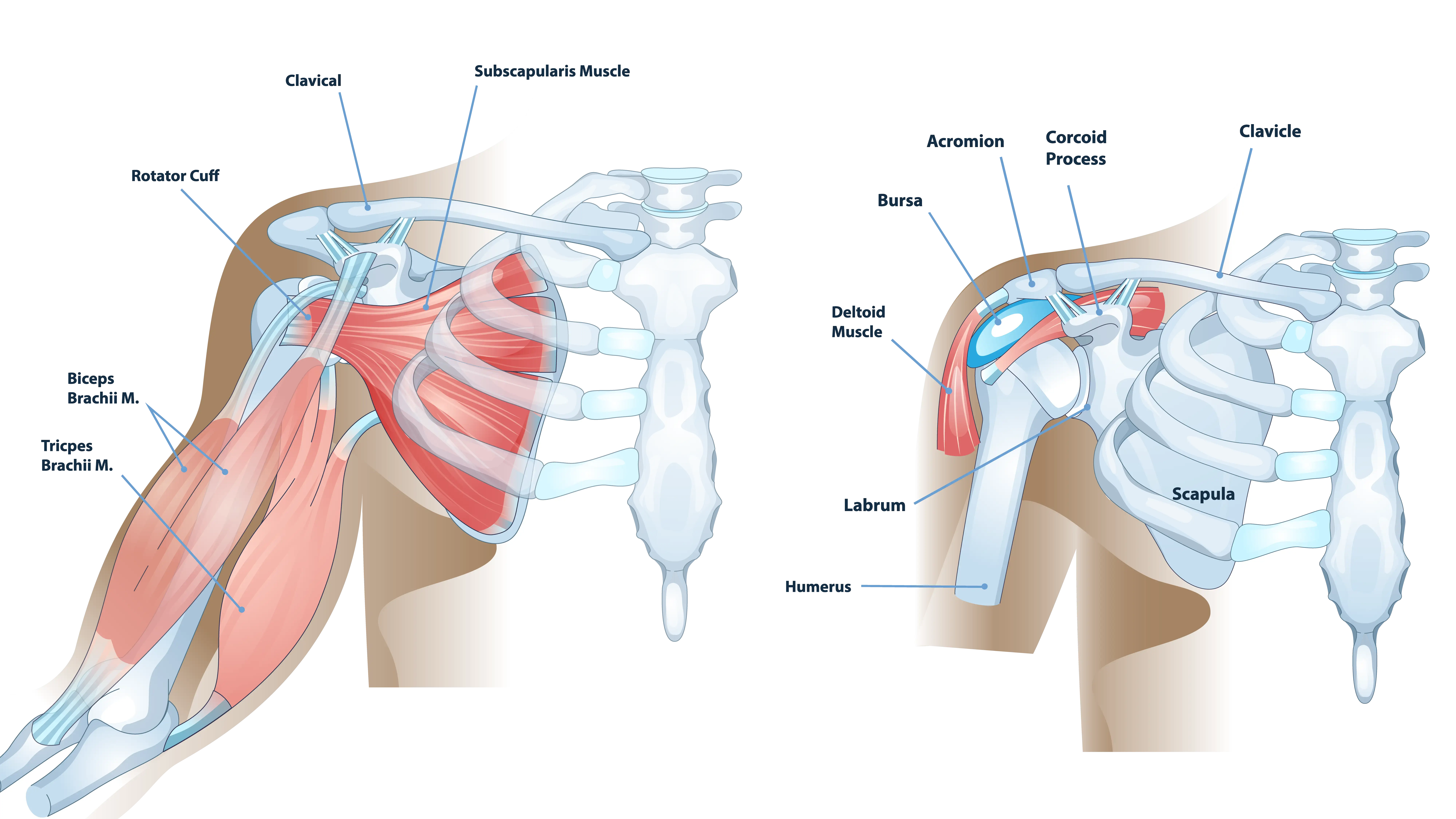
The shoulder is the most mobile joint in the human body. It functions as a ball and socket joint where the head of the humerus fits into the scapula. This exceptional range of motion comes with decreased stability compared to other joints. The shoulder consists of several key structures including the rotator cuff, labrum, biceps tendon, and three bones: the humerus, scapula, and clavicle.
The rotator cuff is a group of four muscles and tendons that surround the shoulder joint. These structures work together to provide stability and movement. Understanding shoulder anatomy helps patients recognize why certain injuries occur and how treatment addresses the specific damaged structures.
Common Shoulder Conditions
Rotator Cuff Tears
Rotator cuff tears are among the most common shoulder injuries. Symptoms include pain that worsens with overhead activities, weakness when lifting or rotating the arm, and difficulty sleeping on the affected shoulder. Many patients experience night pain that disrupts sleep. The pain may radiate down the arm but typically remains in the shoulder region.
Treatment options range from conservative to surgical approaches. Physical therapy focuses on strengthening the surrounding muscles and improving range of motion. Corticosteroid injections can reduce inflammation and provide temporary relief. When conservative treatment does not provide adequate improvement, arthroscopic rotator cuff repair may be recommended.
Recovery from surgery typically involves a period of immobilization followed by progressive physical therapy. Most patients regain functional use of their shoulder within three to six months, though complete healing continues for up to a year.
Shoulder Arthritis
Shoulder arthritis develops when the cartilage that cushions the joint wears away. Symptoms include progressive pain that worsens with activity, stiffness that limits range of motion, and a grinding or clicking sensation with movement. Patients often struggle with daily activities like reaching overhead or behind the back. The pain typically increases gradually over time.
Treatment begins with conservative options including activity modification, anti-inflammatory medications, and corticosteroid injections. Physical therapy helps maintain motion and strengthen supporting muscles. When conservative measures fail to provide relief, surgical options may include shoulder replacement surgery.
Recovery from shoulder arthritis treatment varies based on the approach. Conservative treatment may provide ongoing symptom management, while surgical intervention requires several months of rehabilitation to achieve optimal outcomes.
Labral Tears
The labrum is a ring of cartilage that deepens the shoulder socket and provides stability. Labral tears can result from acute injury or repetitive overhead activities. Symptoms include deep shoulder pain that is difficult to pinpoint, clicking or popping sensations with movement, and a feeling of instability. Many patients report pain when reaching overhead or behind the back. Some experience decreased strength and range of motion.
Treatment depends on the severity and location of the tear. Minor tears may heal with rest and physical therapy focused on shoulder stabilization. Activity modification helps prevent further damage during the healing process. When symptoms persist or the tear is severe, arthroscopic labral repair may be necessary.
Recovery involves protecting the repair with limited motion initially, followed by gradual strengthening exercises. Most patients return to full activity within four to six months following surgery.
Shoulder Impingement Syndrome
Shoulder impingement occurs when the rotator cuff tendons become compressed between bones during arm movement. Symptoms include pain with overhead activities, weakness in the shoulder, and inflammation of the tendons. The pain often begins gradually and worsens over time. Patients may experience a painful arc when raising the arm between 60 and 120 degrees. Night pain is common, especially when lying on the affected shoulder.
Treatment initially focuses on reducing inflammation and restoring normal mechanics. Activity modification limits movements that cause pain. Physical therapy strengthens the rotator cuff and scapular stabilizers while improving posture and movement patterns. If conservative treatment fails after several months, arthroscopic subacromial decompression may be performed.
Recovery from surgery typically takes three to four months, with most patients achieving significant pain relief and improved function.
Shoulder Instability and Dislocations
Shoulder instability occurs when the structures that stabilize the joint become damaged or loose. Symptoms include the shoulder slipping partially or completely out of place, apprehension or fear with certain arm positions, and recurrent dislocations. Patients may feel the shoulder is unstable or about to give way during activities. Pain and weakness often accompany episodes of instability.
Treatment for first-time dislocations typically involves immobilization in a sling followed by physical therapy. Strengthening exercises focus on the rotator cuff and scapular muscles to improve dynamic stability. When instability becomes recurrent or fails to respond to conservative treatment, surgical stabilization may be recommended. Arthroscopic or open surgery repairs damaged ligaments and restores normal anatomy.
Recovery requires several months of progressive rehabilitation. Athletes typically return to full activity within four to six months, though contact sports may require additional time for complete healing.
Biceps Tendon Injuries
The biceps tendon attaches the biceps muscle to the shoulder and can become injured through overuse or acute trauma. Symptoms include pain in the front of the shoulder, a visible bulge in the upper arm if the tendon ruptures, and weakness with elbow flexion and forearm rotation. Some patients hear or feel a pop when the injury occurs. Tenderness develops along the front of the shoulder and upper arm.
Treatment varies based on the location and severity of the injury. Proximal biceps tendon injuries near the shoulder may be treated with rest, ice, and physical therapy for partial tears. Complete ruptures often cause less pain but result in cosmetic changes and some strength loss. Biceps tenodesis or tenotomy procedures surgically address problematic tears.
Recovery from conservative treatment allows gradual return to activities over several weeks. Surgical repair typically requires three to four months of rehabilitation before resuming unrestricted activities.
Shoulder Treatment & Recovery Options
Dr. Everding provides comprehensive shoulder treatment tailored to each patient’s specific condition and goals. Treatment approaches range from conservative options like physical therapy and injections to advanced surgical interventions. The goal is always to restore function, reduce pain, and help patients return to their desired activities. A thorough evaluation determines the most appropriate treatment plan. Many shoulder conditions respond well to non-surgical management, while others require surgical correction for optimal outcomes.
Total Shoulder Replacement
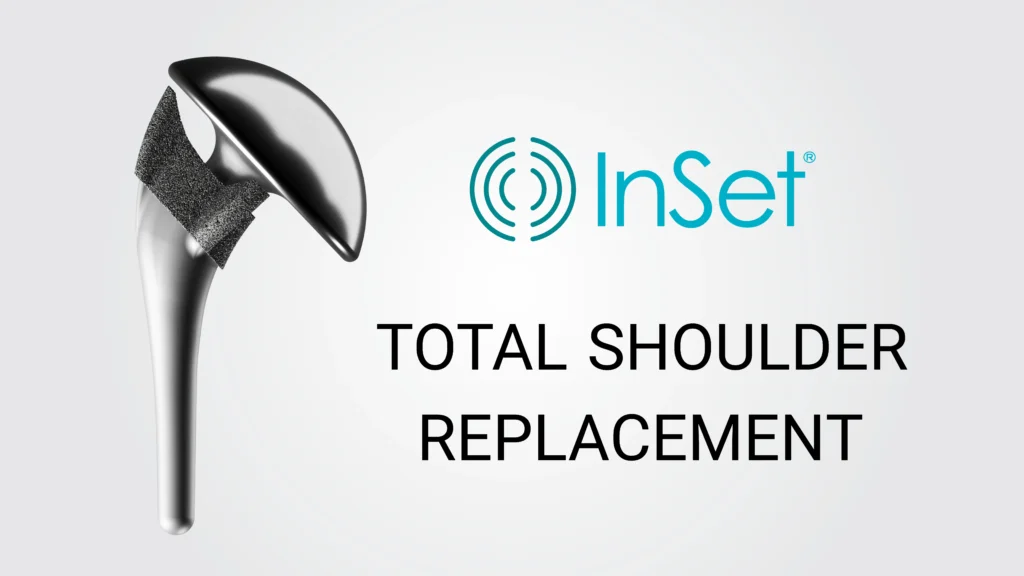
Total shoulder replacement involves replacing the damaged ball and socket surfaces of the shoulder joint with artificial components. This procedure is indicated for patients with severe arthritis, certain fractures, or other conditions causing significant joint damage. The damaged humeral head is replaced with a metal ball, and the glenoid socket is resurfaced with a plastic component. This restores smooth joint motion and eliminates bone-on-bone contact.
Recovery from total shoulder replacement progresses through several phases. Initial healing requires six to eight weeks, during which motion is gradually restored through physical therapy. Strengthening begins once adequate healing has occurred. Most patients achieve significant pain relief and functional improvement within three to six months. Full recovery continues for up to a year as strength and endurance improve.
Reverse Shoulder Replacement
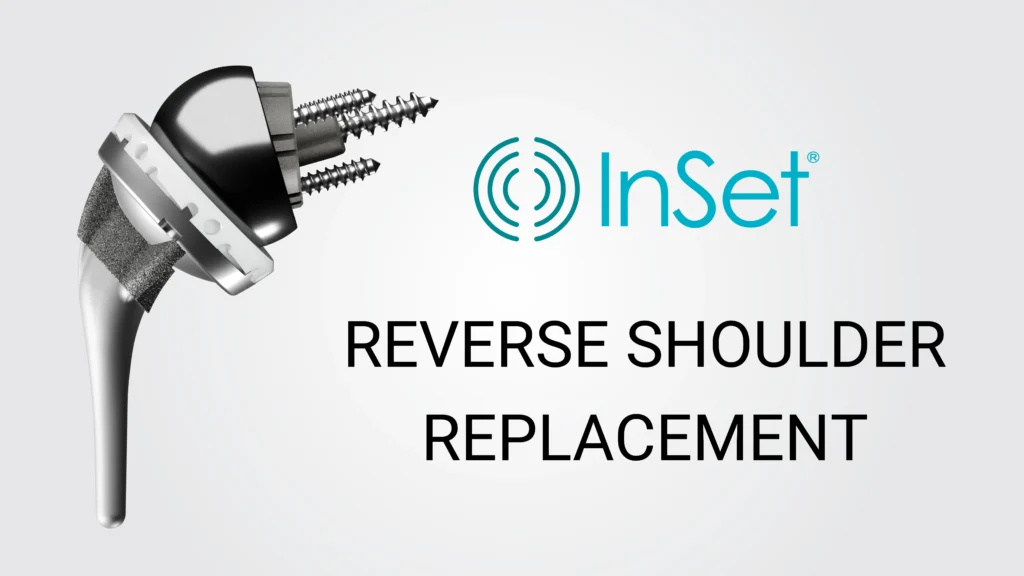
Reverse shoulder replacement is a specialized procedure where the ball and socket components are switched from their normal positions. The metal ball attaches to the shoulder blade while the plastic socket attaches to the upper arm bone. This design is indicated for patients with rotator cuff tear arthropathy, massive irreparable rotator cuff tears, or complex fractures. The reversed anatomy allows the deltoid muscle to compensate for the damaged rotator cuff. This provides better function than traditional replacement in these specific conditions.
Recovery follows a similar timeline to total shoulder replacement, with initial healing taking six to eight weeks. Physical therapy focuses on regaining motion and optimizing deltoid function. Most patients experience substantial pain relief and improved ability to raise the arm. Functional gains continue for several months as patients adapt to the new shoulder mechanics.
PRP (Platelet-Rich Plasma) Therapy
Platelet-rich plasma therapy is a regenerative treatment option for certain shoulder conditions. This treatment may be beneficial for partial rotator cuff tears, tendinitis, and early arthritis. The concentrated growth factors in PRP can stimulate tissue repair and reduce inflammation. The procedure involves drawing blood, processing it to concentrate the platelets, and injecting the PRP into the damaged area. This minimally invasive approach offers an option between conservative treatment and surgery.
Recovery is generally faster than surgical intervention. Patients typically experience gradual improvement over several weeks to months as the healing process progresses. Activity modification and physical therapy complement PRP treatment to optimize outcomes.
Schedule Your Shoulder Consultation
Dr. Everding provides expert diagnosis and treatment for all shoulder conditions. His fellowship training and experience allow him to offer both conservative and advanced surgical options. Each patient receives a thorough evaluation to determine the most effective treatment approach.
Whether you are experiencing shoulder pain, weakness, or limited motion, an accurate diagnosis is the first step toward relief. Request an appointment with Dr. Everding to discuss your shoulder concerns and develop a personalized treatment plan that addresses your specific needs and goals.