
Your shoulder helps you reach, lift, throw, and carry out countless daily tasks. When something goes wrong with the rotator cuff, even simple movements can become painful and frustrating. Problems with the rotator cuff in the shoulder rank among the most common reasons patients visit a shoulder specialist, and understanding these issues can help you take the right steps toward relief. In this post, we explore the common causes, symptoms to watch for, and treatment options.
Key Takeaways
- The rotator cuff is a group of four muscles and tendons that stabilize your shoulder and enable a wide range of motion.
- Rotator cuff problems can develop from acute injuries, repetitive overhead motions, or gradual age-related wear.
- Treatment options range from physical therapy and injections to arthroscopic surgery and shoulder replacement, depending on the severity.
Understanding the Rotator Cuff
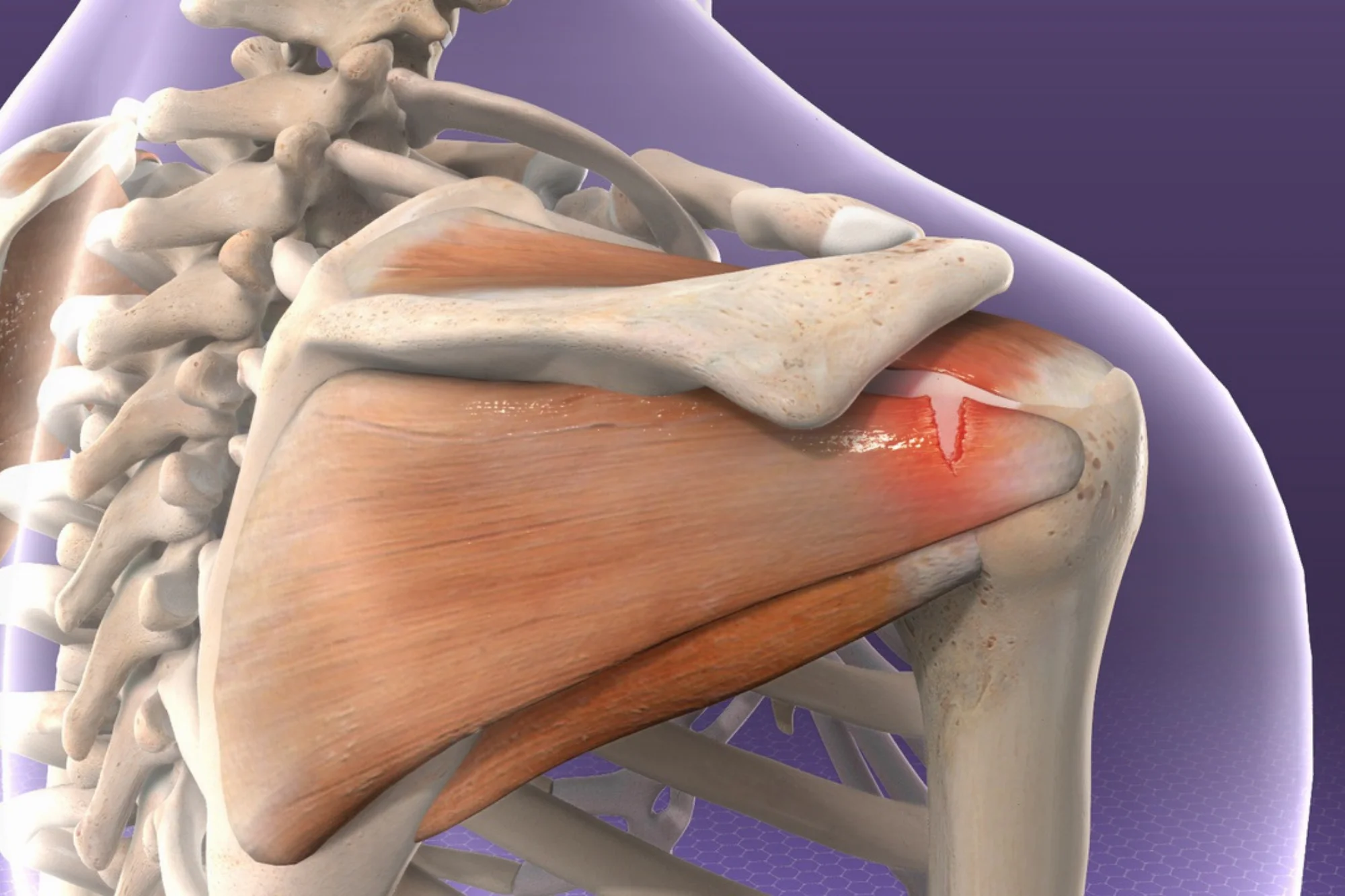
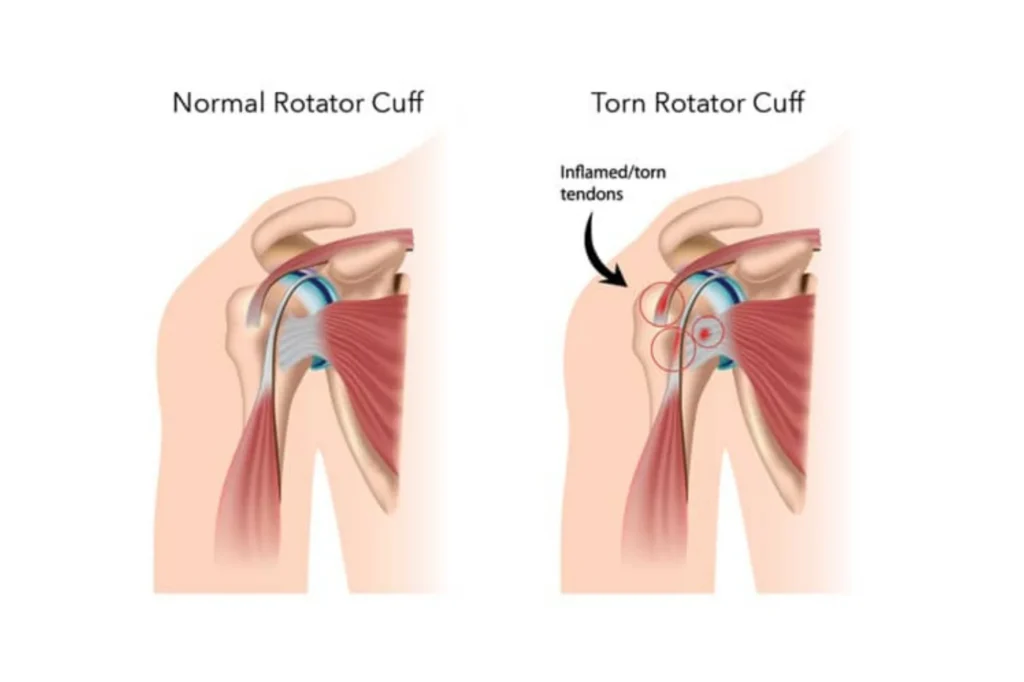
The rotator cuff is a group of four muscles and their associated tendons. These muscles (supraspinatus, infraspinatus, teres minor, and subscapularis) wrap around the head of the humerus, or upper arm bone. Together, they form a cuff-like structure that keeps the ball of the shoulder joint seated within the socket.
This group of muscles handles two primary jobs. First, they stabilize the shoulder during movement. Second, they enable you to rotate and lift your arm in various directions. Because the shoulder is so mobile, the rotator cuff works hard during nearly every upper-body activity.
When one or more of these tendons becomes damaged, the balance and function of the entire shoulder can shift. That is why problems with the rotator cuff in the shoulder often affect not just strength but also basic range of motion and comfort throughout the day.
Common Causes of Rotator Cuff Problems
Rotator cuff issues can arise from a variety of causes. Some patients experience a sudden injury, while others notice symptoms building gradually over time. Understanding the potential causes may help you identify what could be contributing to your shoulder pain.
Acute Injuries
A fall onto an outstretched hand, a heavy lifting accident, or a direct blow to the shoulder can tear one or more rotator cuff tendons. These acute injuries often produce immediate pain and weakness. Athletes in sports like football, baseball, and tennis may face higher risk due to the physical demands placed on the shoulder.
Repetitive Overhead Motions
Occupations and hobbies that require frequent overhead arm use can gradually wear down the rotator cuff tendons. Painters, carpenters, and warehouse workers often fall into this category. Swimmers and overhead athletes may also develop irritation over time. Repetitive stress can lead to tendinitis, which, if left unmanaged, may progress to partial or full tears.
Age-Related Degeneration
As we age, the blood supply to the rotator cuff tendons tends to decrease. This reduced blood flow can make the tendons more susceptible to damage and less efficient at healing. Research suggests that rotator cuff tears become increasingly common with age. Many degenerative tears develop without a specific injury or memorable event.
Bone Spurs and Impingement
Over time, bone spurs may form on the underside of the acromion, the bony projection at the top of the shoulder. These spurs can rub against the rotator cuff tendons during arm movement, a condition known as shoulder impingement syndrome. This repeated friction may weaken and eventually damage the tendons. Impingement is one of the more common contributing factors to rotator cuff problems.
Recognizing the Symptoms
Problems with the rotator cuff in the shoulder can present differently from person to person. Some patients notice a dull, persistent ache. Others experience sharp pain with specific movements. Paying attention to these symptoms can help you and your doctor determine the best course of action.
Common symptoms that may point to a rotator cuff issue include:
- Pain in the shoulder that may radiate down the upper arm, especially with reaching, lifting, or overhead activities
- A deep ache in the shoulder that tends to worsen at night, particularly when lying on the affected side
- Weakness when lifting or rotating the arm, such as difficulty raising a cup of coffee or reaching behind your back
- A crackling or popping sensation during shoulder movement
- Stiffness and reduced range of motion that may limit everyday tasks
- Difficulty sleeping due to shoulder discomfort
Not every patient with a rotator cuff problem will experience all of these symptoms.
How Rotator Cuff Problems Are Diagnosed
Getting an accurate diagnosis is a key first step toward effective treatment. A thorough evaluation typically begins with a conversation about your symptoms, medical history, and how the problem began. During a physical examination, your doctor will likely assess your shoulder’s range of motion, strength, and stability. Specific clinical tests can help pinpoint whether the rotator cuff is the likely source of pain.
X-rays can reveal bone spurs, arthritis, and changes in joint alignment, though they do not show soft tissue like tendons. MRI is commonly used to evaluate rotator cuff tears because it provides detailed images of tendons and surrounding structures. In some cases, ultrasound may be used to observe the tendons during movement.
Treatment Options for Rotator Cuff Problems
Many patients with rotator cuff problems may respond well to conservative treatment. However, the best approach often depends on the size and type of tear, the patient’s activity level, their age, and how much symptoms affect daily life. An experienced shoulder specialist can evaluate the condition and help guide an appropriate treatment path. Next, we’ll take a closer look at the treatment options that may be considered.
Rest and Activity Modification
In the early stages, resting the shoulder and avoiding activities that trigger pain can help reduce inflammation. Your doctor may recommend modifying how you perform certain tasks rather than stopping all activity entirely. A sling might be used temporarily to protect the shoulder, though prolonged immobilization is generally discouraged because it can lead to stiffness.
Physical Therapy
Physical therapy is often one of the first treatment approaches recommended for rotator cuff problems. A structured therapy program typically focuses on restoring range of motion, strengthening the rotator cuff and surrounding muscles, and improving posture and shoulder mechanics. Many patients notice meaningful improvement after several weeks of consistent therapy.
Medications
Over-the-counter anti-inflammatory medications may be recommended to help manage pain and reduce swelling. It is important to follow your doctor’s instructions regarding medications.
Platelet-Rich Plasma (PRP) Therapy
PRP therapy is a regenerative treatment that uses concentrated platelets from your own blood. After a small blood draw, the sample is processed to isolate growth factors. The resulting solution is then injected into the damaged area. PRP may help stimulate tissue repair and reduce inflammation.
Surgical Treatment
When conservative treatments do not produce adequate improvement, surgery may become a consideration. The type of surgical approach typically depends on the nature and extent of the damage.
Arthroscopic rotator cuff repair is one of the most commonly performed procedures for rotator cuff tears. This minimally invasive technique uses small incisions and a tiny camera. The surgeon uses specialized instruments through these small incisions to repair the torn tendon. Recovery generally involves a period of immobilization in a sling, followed by progressive physical therapy.
For patients with massive, irreparable rotator cuff tears combined with arthritis, a reverse shoulder replacement may be recommended. This specialized procedure reverses the normal ball-and-socket orientation, with the goal of allowing the deltoid muscle to compensate for the damaged rotator cuff.
Reducing Your Risk of Rotator Cuff Problems
While not all rotator cuff problems can be prevented, certain habits may help reduce your risk or slow the progression of existing issues. Maintaining shoulder strength through regular exercise, particularly exercises targeting the rotator cuff and scapular stabilizers, can help support the joint. Practicing good posture, taking breaks during repetitive overhead activities, warming up before physical activity, and using proper technique during sports or manual labor can all make a meaningful difference.
If you begin to notice mild shoulder pain, addressing it early rather than pushing through the discomfort may help prevent a small issue from becoming a larger one.
Summary
Problems with the rotator cuff in the shoulder are common, but they do not have to keep you from living the life you want. From understanding the anatomy and recognizing the symptoms to exploring the full range of treatment options, informed patients tend to make empowered decisions about their care.
Every shoulder is different. What works well for one person may not be the right approach for another. That is why working with a fellowship-trained shoulder specialist can be so valuable. A thorough evaluation helps clarify the diagnosis, and a personalized treatment plan addresses your unique needs and goals.
Frequently Asked Questions
What is the most common rotator cuff problem?
Rotator cuff tendinitis and partial tears tend to be the most frequently diagnosed issues. These conditions can develop from repetitive use or age-related wear and may respond well to conservative treatment, including physical therapy and anti-inflammatory measures.
Can a rotator cuff tear heal on its own without surgery?
Some partial rotator cuff tears may improve with conservative treatment such as rest, medications, and physical therapy. However, full-thickness tears typically do not heal on their own because the tendon does not naturally reattach to the bone without surgical repair. The best course of action depends on the size and location of the tear, your symptoms, and your activity goals. A shoulder specialist can help determine whether surgery may be necessary.
Is shoulder pain at night a sign of a rotator cuff problem?
Night pain is one of the more commonly reported symptoms associated with rotator cuff problems. Lying on the affected side or positioning the arm in certain ways during sleep can increase pressure on irritated or damaged tendons. If shoulder pain regularly disrupts your sleep, it may be worth having it evaluated by a specialist.