
If you are experiencing a problem lifting your arm above the shoulder level, you are not alone. This is one of the most common shoulder complaints that shoulder specialists evaluate. The inability to raise your arm overhead can affect nearly every part of daily life, from getting dressed to reaching for items on a high shelf. It may also interfere with work, exercise, and recreation. Several underlying conditions may contribute to this difficulty. Some develop gradually, while others appear suddenly after an injury. Understanding the potential causes and available treatments can help you take the right next steps.
Key Takeaways
- A problem lifting the arm above the shoulder height may point to conditions such as rotator cuff injuries, shoulder impingement, frozen shoulder, or arthritis.
- Many patients respond well to conservative treatments like physical therapy, activity modification, and anti-inflammatory medications.
- Persistent pain or weakness that does not improve with non-surgical treatment may warrant surgical consultation.
Why Overhead Arm Motion Matters
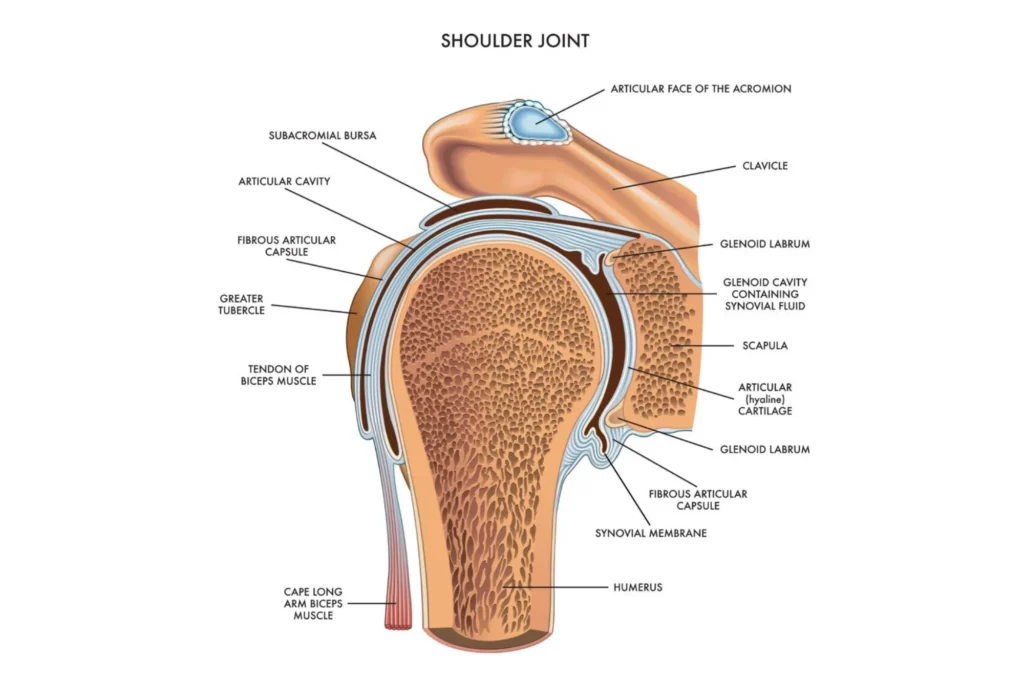
The shoulder is one of the most mobile joints in the body. It relies on a complex network of muscles, tendons, ligaments, and bones working together. Lifting the arm above the shoulder height requires coordinated effort from the rotator cuff muscles, the deltoid, and the muscles that stabilize the shoulder blade. When any part of this system is compromised, overhead motion can become painful or even impossible.
You may not realize how frequently you use overhead arm motion until it becomes difficult. Washing your hair, putting away groceries, throwing a ball, or even fastening a seatbelt can all become challenging.
Common Causes of Difficulty Lifting the Arm Overhead
Rotator Cuff Injuries
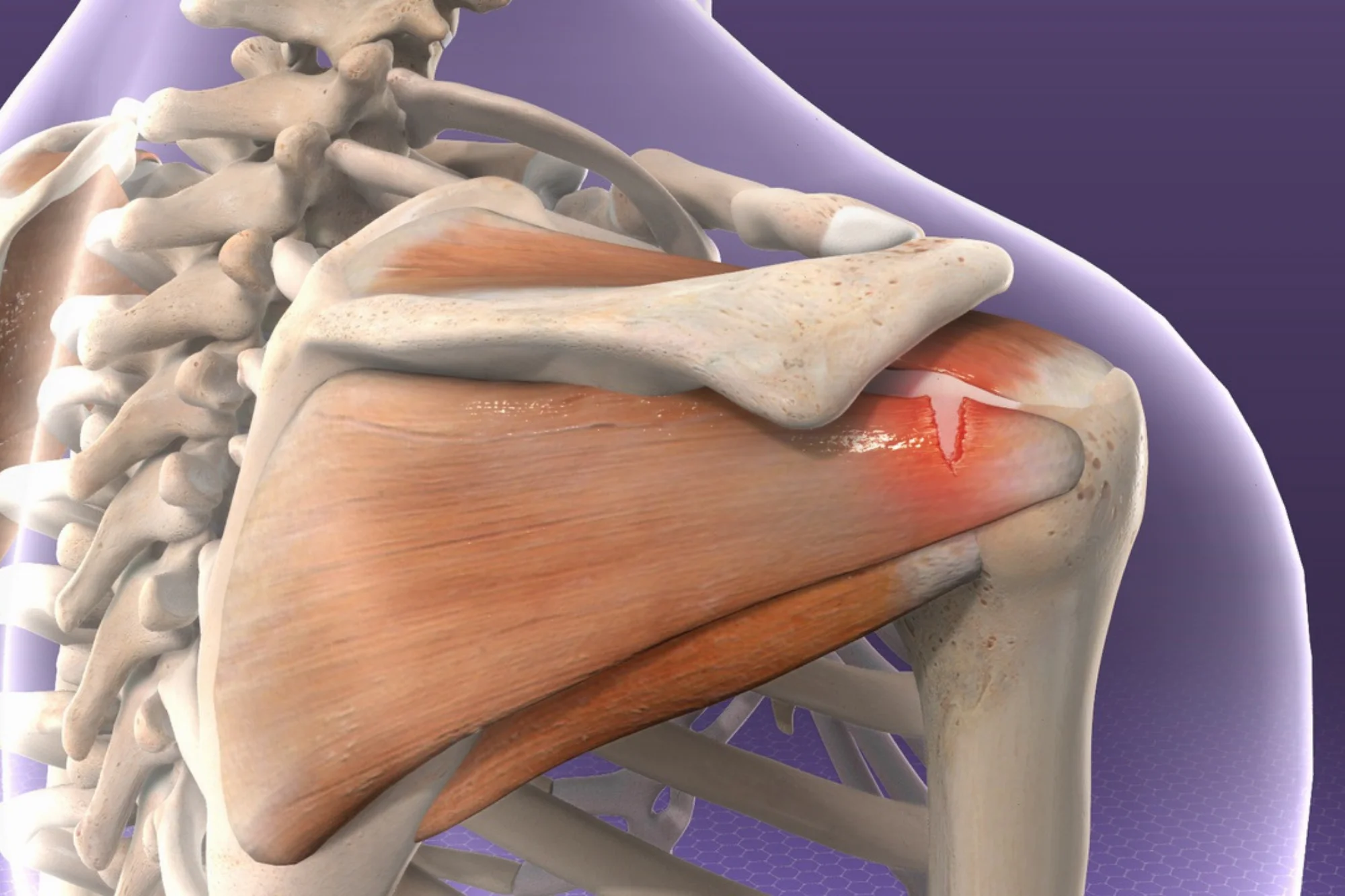
The rotator cuff is a group of four muscles and tendons that stabilize the shoulder joint and power many arm movements. Tears in these tendons are among the most frequent causes of difficulty raising the arm overhead. They can result from a sudden injury or develop gradually through repetitive overhead activities and normal wear over time.
Many patients with rotator cuff tears report pain along the outer side of the shoulder that may worsen at night. Weakness when lifting or rotating the arm is another common symptom. Partial tears may cause discomfort without complete loss of motion, while larger tears can make it very difficult to raise the arm above shoulder height.
Shoulder Impingement Syndrome
Shoulder impingement occurs when the rotator cuff tendons become compressed between the bones of the shoulder during arm movement. This compression can cause inflammation, swelling, and pain, particularly when you reach overhead. Many patients notice a painful arc of motion, typically between 60 and 120 degrees of arm elevation.
Impingement often develops in people who perform repetitive overhead activities. Athletes, painters, construction workers, and anyone who regularly reaches above their head may be at higher risk. Over time, ongoing impingement can lead to tendon damage or even rotator cuff tears if left untreated. Early intervention with physical therapy and activity modification may help manage symptoms and reduce strain on the shoulder.
Frozen Shoulder (Adhesive Capsulitis)
Frozen shoulder is a condition where the connective tissue surrounding the shoulder joint becomes inflamed, thickened, and tight. This can lead to progressive stiffness and significant loss of range of motion. Patients may find it increasingly difficult to lift the arm overhead, and the restriction typically affects both active and passive motion.
The condition tends to develop in three stages: a freezing stage with gradual pain and stiffness, a frozen stage where stiffness peaks, and a thawing stage where motion slowly returns. The entire process can take several months to a couple of years. Individuals with diabetes and those who face prolonged immobilization appear to have a higher risk of developing frozen shoulder.
Shoulder Arthritis
Arthritis of the shoulder develops when the cartilage that cushions the joint surfaces wears away. This can lead to pain, stiffness, and grinding sensations during movement. Patients with shoulder arthritis frequently struggle with overhead reaching and may notice their symptoms worsening gradually over months or years. Osteoarthritis is the most common form of arthritis in the shoulder, though other types, such as rheumatoid arthritis or post-traumatic arthritis, can also affect the joint.
Labral Tears
The labrum is a ring of cartilage that surrounds the shoulder socket and helps stabilize the joint. Tears to the labrum can occur from acute injuries, such as a dislocation, or from repetitive overhead motions common in sports and certain occupations. Symptoms may include deep, hard-to-pinpoint shoulder pain, clicking or catching sensations, and a feeling that the shoulder might give way.
Calcific Tendinitis
Calcific tendinitis involves calcium deposits forming within the rotator cuff tendons. These deposits can cause intense pain and inflammation, especially during overhead arm movements. Flare-ups of calcific tendinitis can be quite sudden and painful. During an acute episode, patients may find it nearly impossible to raise their arm. Many cases improve with conservative treatment, and in some patients the calcium deposits may gradually resorb over time.
When Should You See a Shoulder Specialist?
Not every instance of shoulder stiffness requires a trip to the doctor. Mild discomfort after an unusually active day may resolve on its own. However, there are situations where professional evaluation is strongly recommended. Consider scheduling an appointment with an experienced shoulder specialist if you experience the following:
- Persistent shoulder pain or weakness
- Inability to raise your arm to shoulder height or above
- Pain that disrupts your sleep on a regular basis
- A sudden loss of motion after an injury or fall
- Grinding, clicking, or catching sensations during shoulder movement
- Swelling, warmth, or visible deformity around the shoulder joint
Seeking evaluation sooner rather than later may help your doctor identify the problem before it progresses. Some conditions, such as rotator cuff tears, may worsen over time without appropriate treatment, potentially making recovery more complex.
How Doctors Diagnose Problems Lifting the Arm Above the Shoulder
The diagnostic process typically begins with a thorough review of your medical history and symptoms. Your doctor will likely ask about when the problem started, what activities make it worse, and whether you recall a specific injury.
A physical examination follows, during which the doctor assesses your range of motion, strength, and stability through specific tests. Imaging studies may then be ordered to support the diagnosis. X-rays can reveal arthritis, bone spurs, or fractures. MRI scans provide detailed images of soft tissue structures like the rotator cuff and labrum. In some cases, ultrasound may be used to evaluate structures in real time.
Treatment Options
Conservative (Nonsurgical) Treatments
Many patients with difficulty raising the arm overhead respond well to nonsurgical treatment. Your doctor may recommend starting with conservative approaches before considering more invasive options.
Physical therapy is often a component of nonsurgical treatment. A skilled therapist can design a program that targets your specific limitations, focusing on restoring range of motion, strengthening surrounding muscles, and improving movement patterns.
Medications such as over-the-counter anti-inflammatories may help manage pain and reduce inflammation. Temporarily avoiding movements that aggravate your symptoms may give irritated tissues a chance to recover. Regenerative treatments such as platelet-rich plasma (PRP) therapy may also be considered for certain conditions.
Surgical Treatments
When conservative treatment does not provide adequate improvement, surgical intervention may become a consideration. The type of surgery recommended depends on the specific diagnosis and the severity of the condition. Recovery times vary based on the procedure and individual health factors.
Arthroscopic surgery is a minimally invasive approach that uses small incisions and a camera to repair damaged structures inside the shoulder. Arthroscopy is commonly used to treat certain rotator cuff tears, labral injuries, and some cases of impingement.
For patients with advanced shoulder arthritis, shoulder replacement surgery may be recommended. Total shoulder replacement involves replacing damaged joint surfaces with prosthetic components. Reverse shoulder replacement, a specialized variation, switches the orientation of the ball and socket. This design shifts shoulder mechanics so the deltoid muscle can help power the arm when the rotator cuff is severely damaged.
Summary
A problem lifting the arm above the shoulder level can stem from a variety of conditions, including rotator cuff injuries, shoulder impingement, frozen shoulder, arthritis, labral tears, and calcific tendinitis. Many of these conditions respond well to treatment. Whether your path involves physical therapy and conservative management or surgical intervention, the goal is to relieve pain and restore function.
Frequently Asked Questions
Can I still exercise if I have trouble lifting my arm overhead?
In many cases, yes. However, you may need to modify your routine to avoid movements that aggravate your symptoms. Low-impact activities that do not require overhead motion, such as walking, stationary cycling, or lower-body exercises, are generally well tolerated. Working with your doctor to design a safe exercise plan is usually a good approach.
When is surgery necessary for a problem lifting the arm above the shoulder level?
Surgery is typically considered when conservative treatments have not provided adequate relief after a reasonable period of time. Large or complete rotator cuff tears, structural instability, and advanced arthritis are examples of conditions where surgical intervention may offer the best chance of restoring function. Your surgeon will discuss the potential risks and benefits before recommending a specific procedure.
What should I expect at my first appointment with a shoulder specialist?
Your first visit will likely include a detailed discussion of your symptoms, medical history, and activity level. The doctor will perform a physical examination of your shoulder, testing your range of motion, strength, and joint stability. Depending on the findings, imaging tests may be recommended.