For many individuals experiencing persistent shoulder pain and limited mobility, the prospect of shoulder replacement surgery can bring both hope and questions. One of the most frequent inquiries we hear from patients revolves around the procedure’s prevalence: How common is shoulder replacement surgery? In this post, we’ll take a look at the current landscape of shoulder replacement surgery, offering insights into its adoption rates, the reasons behind its growth, and what patients might expect.
Key Takeaways
- Shoulder replacement surgery has become increasingly common in the United States, particularly as the population ages and surgical techniques continue to advance.
- Reverse shoulder arthroplasty has seen a significant rise in popularity, now accounting for a majority of shoulder replacement procedures in the U.S.
- Patient education and shared decision-making are key steps in the treatment journey.
Understanding Shoulder Replacement Surgery
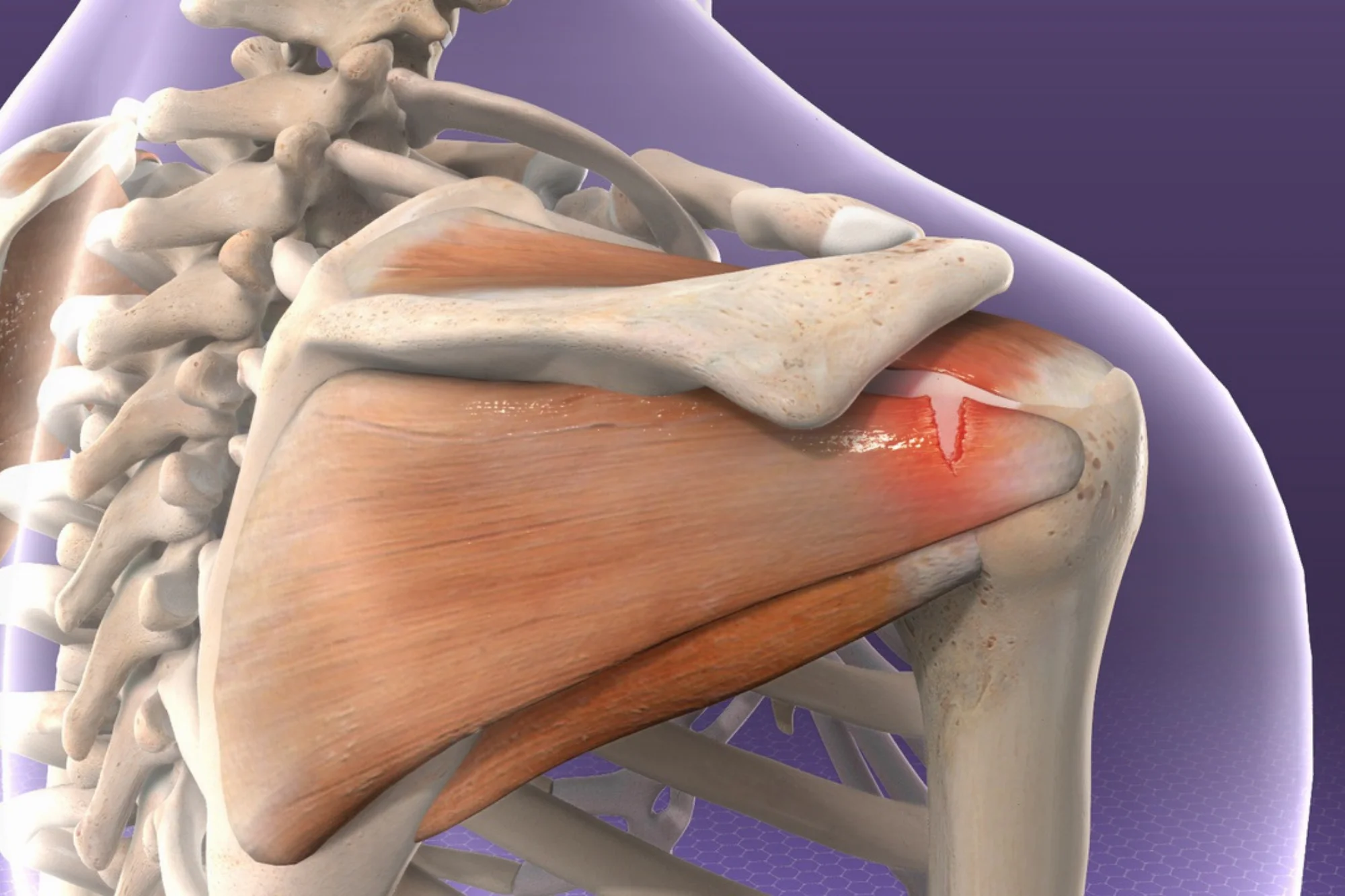
Shoulder replacement surgery, medically known as shoulder arthroplasty, involves replacing damaged parts of the shoulder joint with artificial components, called prostheses. The shoulder is a complex ball-and-socket joint that allows for an impressive range of motion. However, this mobility also makes it susceptible to various conditions that can lead to pain and dysfunction. These conditions often include severe arthritis, rotator cuff tears that cannot be repaired, and complex fractures. The goal of the surgery is generally to alleviate pain and restore as much function as possible to the affected shoulder.
Shoulder Replacement Growth Over Time
While shoulder arthroplasty does not yet match the procedure volumes of hip or knee replacement, its use has increased substantially over the past two decades. In the United States, shoulder replacement surgery has become increasingly common as both indications and patient eligibility have expanded.
This growth reflects several important advances, including improvements in implant design, surgical techniques, and preoperative planning, as well as greater recognition of the procedure’s ability to relieve pain and restore function. As outcomes have become more predictable and durable, shoulder arthroplasty has gained broader acceptance among both surgeons and patients.
Overall, the continued rise in utilization underscores the evolving role of shoulder replacement as a reliable and effective treatment option for patients with advanced shoulder pathology.
Why the Increase in Popularity?
Several factors contribute to the increasing frequency of shoulder replacement surgery. These elements collectively enhance its appeal and effectiveness for both patients and surgeons.
Advancements in Surgical Techniques and Technology
Implant technology has evolved considerably. Contemporary prostheses are designed to mimic the natural anatomy and mechanics of the shoulder more closely. For example, the InSet® Shoulder System was specifically designed with durability and bone preservation in mind.
Expanding Indications for Surgery
Initially, shoulder replacement was primarily reserved for severe osteoarthritis. Today, the indications have broadened. Surgeons now consider it for a wider range of conditions. These may include complex fractures, rheumatoid arthritis, and rotator cuff tear arthropathy. The expansion of suitable conditions means more patients may benefit from this intervention.
Increased Patient and Physician Awareness
Patients may more actively seek solutions for chronic pain due to increased awareness. Specialists, too, are more aware of the long-term benefits of shoulder replacement. They are more likely to recommend it when appropriate.
Demographic Shifts
The aging population is another significant factor. As people live longer, the incidence of age-related conditions like osteoarthritis increases. Many older adults wish to remain active. They seek treatments that can help them maintain their independence and quality of life.
Types of Shoulder Replacement: Anatomic vs. Reverse
There are two primary types of shoulder replacement procedures: anatomic total shoulder replacement (TSA) and reverse total shoulder replacement (RSA).
Anatomic Total Shoulder Replacement (TSA)
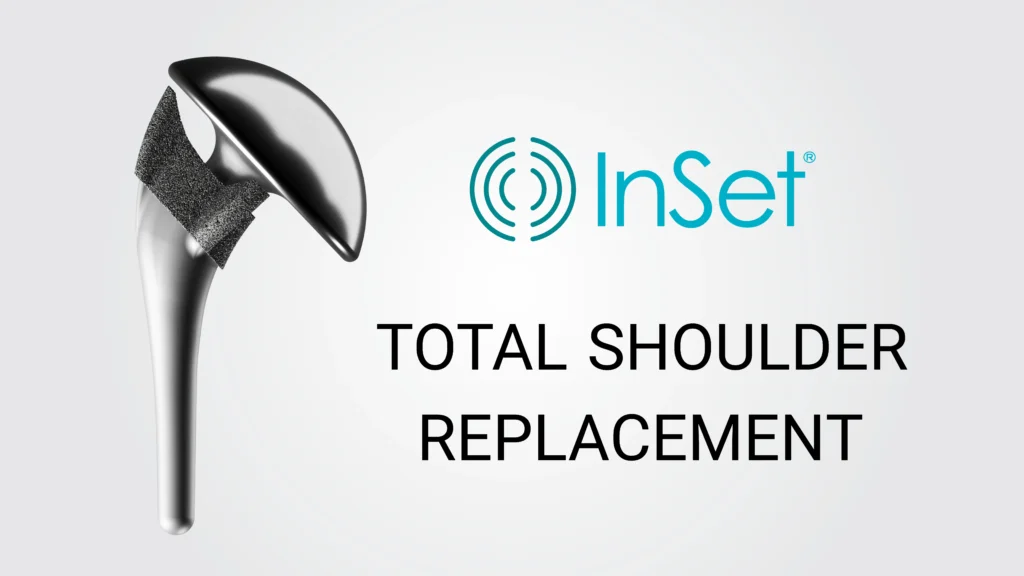
In an anatomic total shoulder replacement, the surgeon replaces the
ball (humeral head) with a metal ball and resurfaces the socket (glenoid) with a plastic component. This procedure is typically recommended when the rotator cuff tendons are healthy and functional. It aims to replicate the shoulder’s natural anatomy.
Reverse Total Shoulder Replacement (RSA)
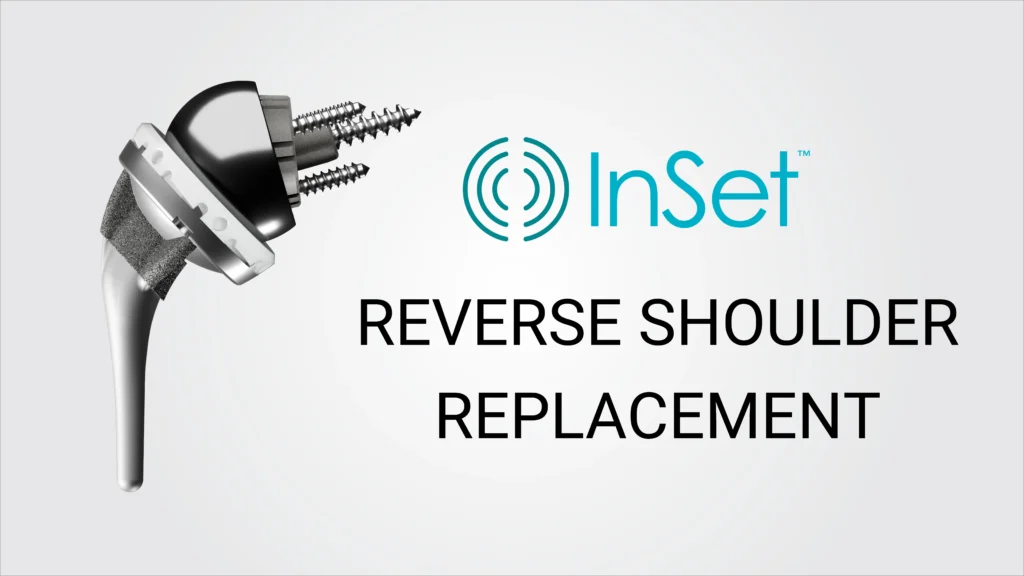
Reverse total shoulder replacement is a more recent innovation that has gained significant traction. In this procedure, the ball and socket components are reversed. A metal ball is fixed to the shoulder blade (glenoid). A plastic socket is then attached to the upper arm bone (humerus). This design fundamentally changes the shoulder’s biomechanics, allowing the deltoid muscle to power arm movement. This is particularly beneficial for patients with irreparable rotator cuff tears or severe rotator cuff arthropathy. Reverse shoulder replacement now accounts for the majority of shoulder replacement procedures.
Who is a Candidate for Shoulder Replacement Surgery?
Deciding on shoulder replacement surgery typically follows a thorough evaluation. Factors include the severity of pain, functional limitations, and the patient’s overall health. The primary goal is to improve quality of life, so patients often consider surgery when conservative treatments no longer provide adequate relief.
Common conditions that may lead to shoulder replacement include:
- Osteoarthritis: This is a degenerative joint disease. It causes the cartilage cushioning the bones to wear away. This can lead to pain, stiffness, and reduced motion.
- Rheumatoid Arthritis: An autoimmune disease. It causes the body’s immune system to attack the joint lining.
- Post-traumatic Arthritis: Develops after a significant shoulder injury. Fractures or dislocations can damage the joint surfaces, leading to arthritis over time.
- Rotator Cuff Tear Arthropathy: This occurs when a large, long-standing rotator cuff tear leads to arthritis. RSA is frequently the preferred treatment in these cases.
- Severe Fractures: Some severe shoulder fractures may not heal properly. Replacement surgery might be the recommended option for restoring function.
What to Expect from Shoulder Replacement Surgery
The journey through shoulder replacement surgery typically involves several stages, from initial consultation to recovery.
Pre-operative Evaluation
Before surgery, a comprehensive evaluation is essential. This includes a detailed medical history and physical examination. Imaging studies, such as X-rays, MRI, or CT scans, provide key information about the shoulder joint. Your surgeon will discuss the potential benefits and risks, and they will also explain the recovery process. Deciding to undergo surgery is a collaborative decision between the patient and an experienced shoulder surgeon.
The Surgical Procedure
The specific technique varies depending on the type of replacement (anatomic or reverse) and the individual patient’s needs. Surgeons make an incision to access the shoulder joint. They then remove the damaged bone and cartilage. The artificial components are carefully implanted.
Post-operative Recovery and Rehabilitation
Recovery begins immediately after surgery. Some patients may return home the same day, while others may spend the night in the hospital. Pain management is a priority during this time. Physical therapy begins soon after the procedure. A sling is typically worn for several weeks to protect the healing shoulder.
Summary
Shoulder replacement surgery is becoming increasingly prevalent. Its growth is driven by technological advancements, expanding indications, and an aging, active population. While still less frequent than hip or knee replacements, it has firmly established itself as a valuable orthopedic procedure. Patients considering this surgery should engage in thorough discussions with their orthopedic surgeon. Understanding the procedure fully, including its benefits and potential risks, is essential. With careful consideration and a commitment to rehabilitation, many individuals may look forward to a future with less pain and improved shoulder function.
Frequently Asked Questions (FAQs)
How long does a shoulder replacement typically last?
Modern shoulder replacements are designed for longevity. Many can last for 10 to 15 years, and sometimes even longer. The lifespan of the implant can depend on several factors, including the patient’s activity level, bone quality, and the specific type of implant used.
What is the recovery time for shoulder replacement surgery?
Recovery times can vary among individuals. Generally, patients wear a sling for several weeks after surgery, and physical therapy typically begins soon after the procedure. Pain relief and improved function may be noticed within a few months. However, full recovery and maximal strength can take up to six months to a year or longer.
Can I return to all my previous activities after shoulder replacement?
Many patients can return to a wide range of activities they enjoyed before surgery. This often includes daily tasks, hobbies, and even some sports. However, high-impact activities or those involving heavy lifting or repetitive overhead movements might be restricted or modified. Your surgeon and physical therapist will provide specific guidance.