A rotator cuff tear can disrupt your daily life in ways you might not expect. Simple tasks like reaching for something on a high shelf, lifting a bag of groceries, or even getting a good night’s sleep may suddenly feel difficult or painful. If you’ve been diagnosed with a rotator cuff tear, you may already be exploring your treatment options. One approach that has gained attention in recent years is PRP for rotator cuff tears. PRP, or platelet-rich plasma, is a form of regenerative medicine that uses your body’s own healing components in an effort to support tissue repair.
Key Takeaways
- PRP may be considered for partial-thickness rotator cuff tears, as a complement to surgical repair, or as part of a conservative treatment plan.
- The procedure is minimally invasive, typically performed in an office setting, and generally takes under an hour.
- Research on PRP continues to evolve, and while many studies show promising results, outcomes can vary from patient to patient.
What Is Platelet-Rich Plasma (PRP)?
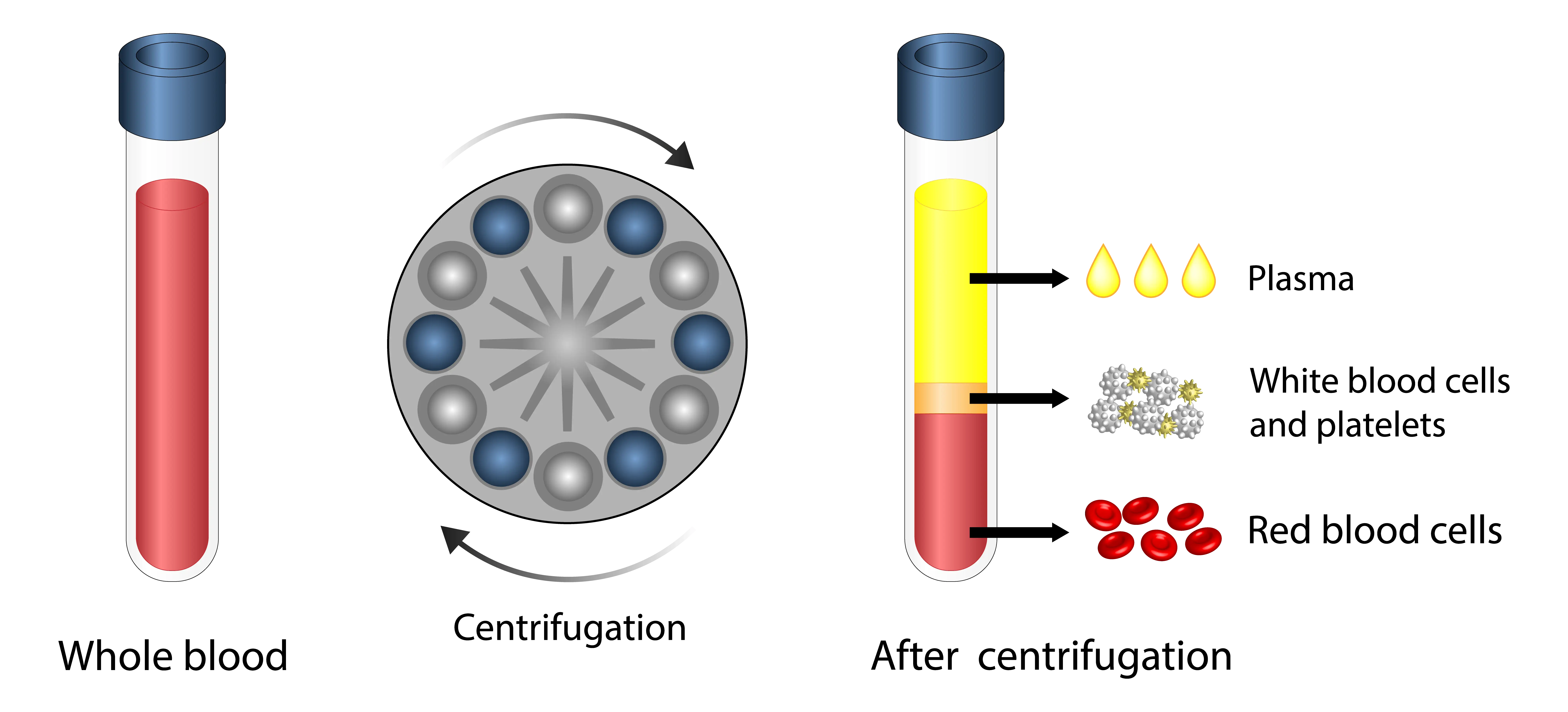
Platelet-rich plasma is a concentrated solution derived from your own blood. Your blood contains several components, including red blood cells, white blood cells, plasma, and platelets. Platelets play a key role in clotting, but they also contain growth factors that may help stimulate tissue repair and reduce inflammation.
To create PRP, a small sample of your blood is drawn and placed in a centrifuge. This machine spins the blood at high speed, separating the platelets from other components. The result is a concentrated platelet solution that typically contains a higher platelet concentration than is found in whole blood. This concentrated solution is then injected directly into the injured area.
The idea behind PRP therapy is relatively straightforward. By delivering a high concentration of growth factors to a damaged tendon or tissue, the treatment may support the body’s natural healing response. It’s worth noting that PRP is considered an autologous treatment, meaning it comes from your own body. Because PRP is derived from your own blood, the risk of allergic reaction or immune rejection is generally considered low.
How Does PRP Apply to Rotator Cuff Tears?
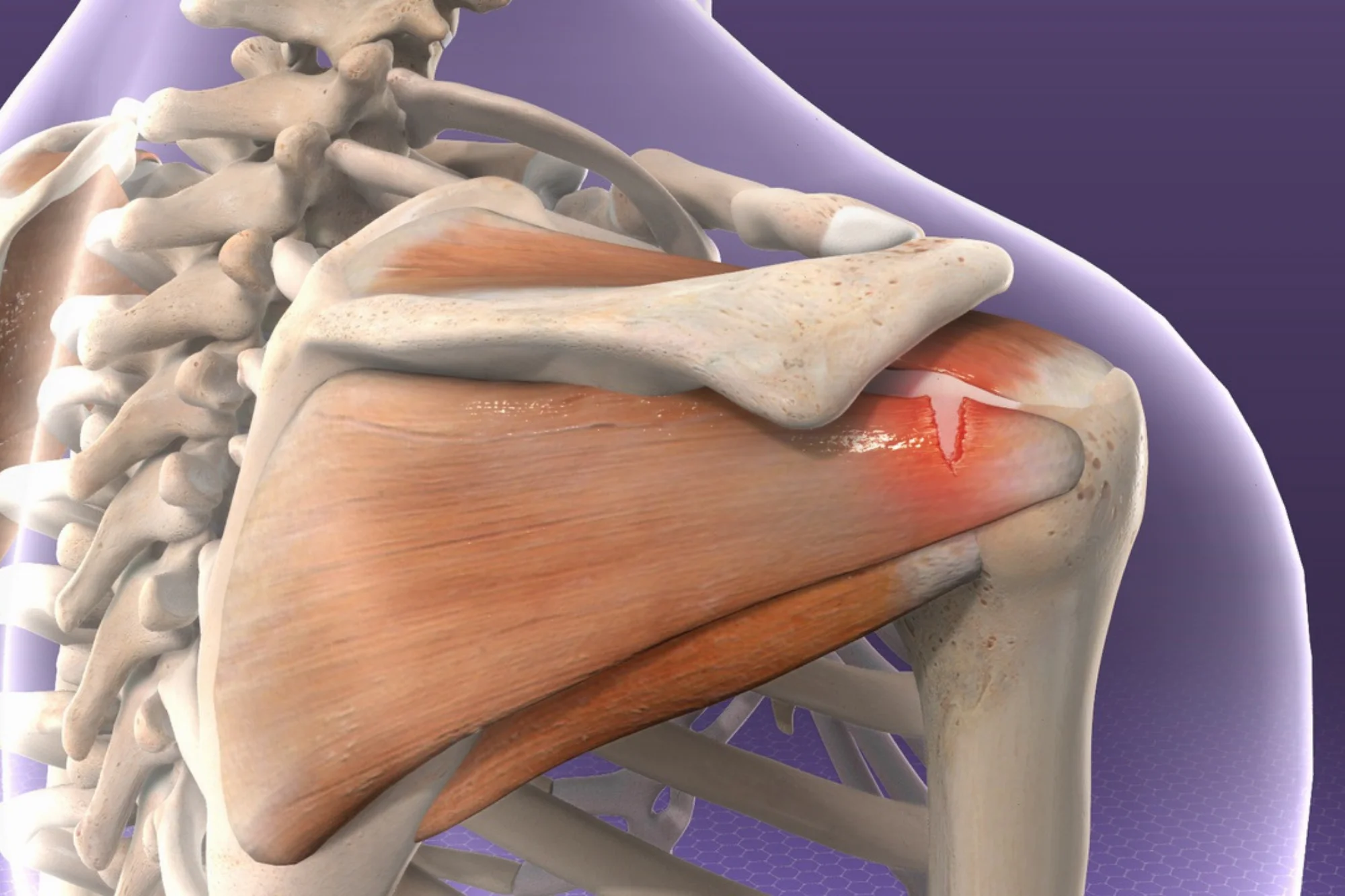
The rotator cuff is a group of four muscles and tendons that stabilize the shoulder joint and allow you to move your arm in many directions. When one or more of these tendons tears, the result is often pain, weakness, and limited range of motion. Tears can happen from an acute injury, like a fall, or they can develop gradually over time due to wear and age.
PRP for rotator cuff tear treatment has become an area of growing interest in orthopedic medicine. The treatment may be considered in several clinical scenarios:
Partial-Thickness Tears
Partial tears involve damage to the tendon that doesn’t extend all the way through. In these cases, PRP injections may help support the body’s natural healing response in the remaining tendon tissue. Some patients with partial tears may prefer to try PRP before considering surgical options, especially when their symptoms are manageable and they want to explore less invasive treatments first.
As a Complement to Surgery
Some surgeons apply PRP at the repair site during arthroscopic rotator cuff surgery. The goal is to potentially enhance the biological healing environment at the tendon-to-bone junction. This application has shown promise in some studies.
Conservative Management
For patients who are not surgical candidates or who wish to delay surgery, PRP may be used as part of a broader conservative treatment plan. This plan might also include physical therapy, activity modification, and anti-inflammatory strategies. PRP in this context aims to reduce pain and support tendon health.
What Does the PRP Procedure Involve?
One of the advantages of PRP therapy is that it is a relatively simple, office-based procedure.
Step 1: Blood Draw
A small amount of blood is drawn from your arm. This is similar to a routine blood test. The process takes just a few minutes.
Step 2: Centrifuge Processing
The blood sample is placed in a centrifuge, where it spins for approximately 10 to 15 minutes. This separates the blood into layers. The platelet-rich layer is then carefully extracted.
Step 3: Injection
The concentrated PRP is injected into the site of the rotator cuff tear. Ultrasound guidance may be used to support accurate needle placement. This helps deliver the PRP directly to the damaged tissue. The injection itself takes only a few minutes, and the entire appointment generally lasts under an hour.
Step 4: Recovery
After the injection, you may experience some soreness or swelling at the injection site. Most patients can return to light activities fairly quickly, though your doctor will likely recommend avoiding strenuous use of the shoulder for a period of time. A structured physical therapy program may follow to support recovery and strengthen the shoulder.
Who May Be a Good Candidate for PRP?
Not every patient with a rotator cuff tear will be a good candidate for PRP therapy. Several factors can influence whether this treatment might be appropriate for you:
- You have a partial-thickness rotator cuff tear and want to explore non-surgical options.
- You have a small to moderate tear and are not experiencing significant functional limitations.
- You are undergoing arthroscopic rotator cuff repair and your surgeon believes PRP may support healing at the repair site.
- You have tried other conservative treatments, such as physical therapy and corticosteroid injections, without adequate relief.
- You are interested in a minimally invasive option with relatively low risk and limited downtime.
PRP is generally not considered a first-line option for large, full-thickness tears that typically require surgical repair, or for cases involving significant muscle atrophy or advanced tendon degeneration. An experienced orthopedic specialist can evaluate your condition and help recommend whether or not PRP may be right for you.
What to Expect After PRP Treatment
Recovery after a PRP injection tends to be straightforward, but setting realistic expectations is important. During the first week, you may notice some increased soreness or mild swelling around the injection site. Your doctor may recommend avoiding anti-inflammatory medications during this period, as they could potentially interfere with the healing response PRP is intended to promote.
Over the following weeks, many patients may notice a gradual reduction in pain. This is also when physical therapy typically becomes a more active part of the recovery plan. Your therapist will guide you through exercises designed to maintain range of motion and progressively strengthen the shoulder.
Full results from PRP treatment may take several weeks to a few months to become apparent. Some patients may benefit from a series of injections rather than a single treatment, depending on their response and the nature of their injury.
Summary
PRP for rotator cuff tear treatment represents a promising area of regenerative medicine that continues to evolve. By harnessing the growth factors found in your own blood, PRP therapy aims to support the body’s natural healing processes and may offer relief for patients dealing with rotator cuff injuries. While the research is encouraging, it’s important to understand that results can vary, and PRP may not be the right fit for every patient or every type of tear.
Frequently Asked Questions
How many PRP injections will I need?
The number of injections depends on your specific condition and how you respond to the initial treatment. Some patients experience improvement after a single injection, while others may benefit from a series of two or three treatments spaced several weeks apart. Your doctor will help determine the right approach for you.
Does the PRP injection hurt?
Most patients report mild to moderate discomfort during the injection. Some soreness in the area is common for a few days following the procedure.
Are there any activities I should avoid after a PRP injection?
Your doctor will typically recommend avoiding strenuous shoulder activity for a short period after the injection. Light daily activities are generally fine. You may also be advised to avoid anti-inflammatory medications for a time, as they could potentially counteract the healing response PRP is intended to promote. Specific guidelines will be tailored to your situation.