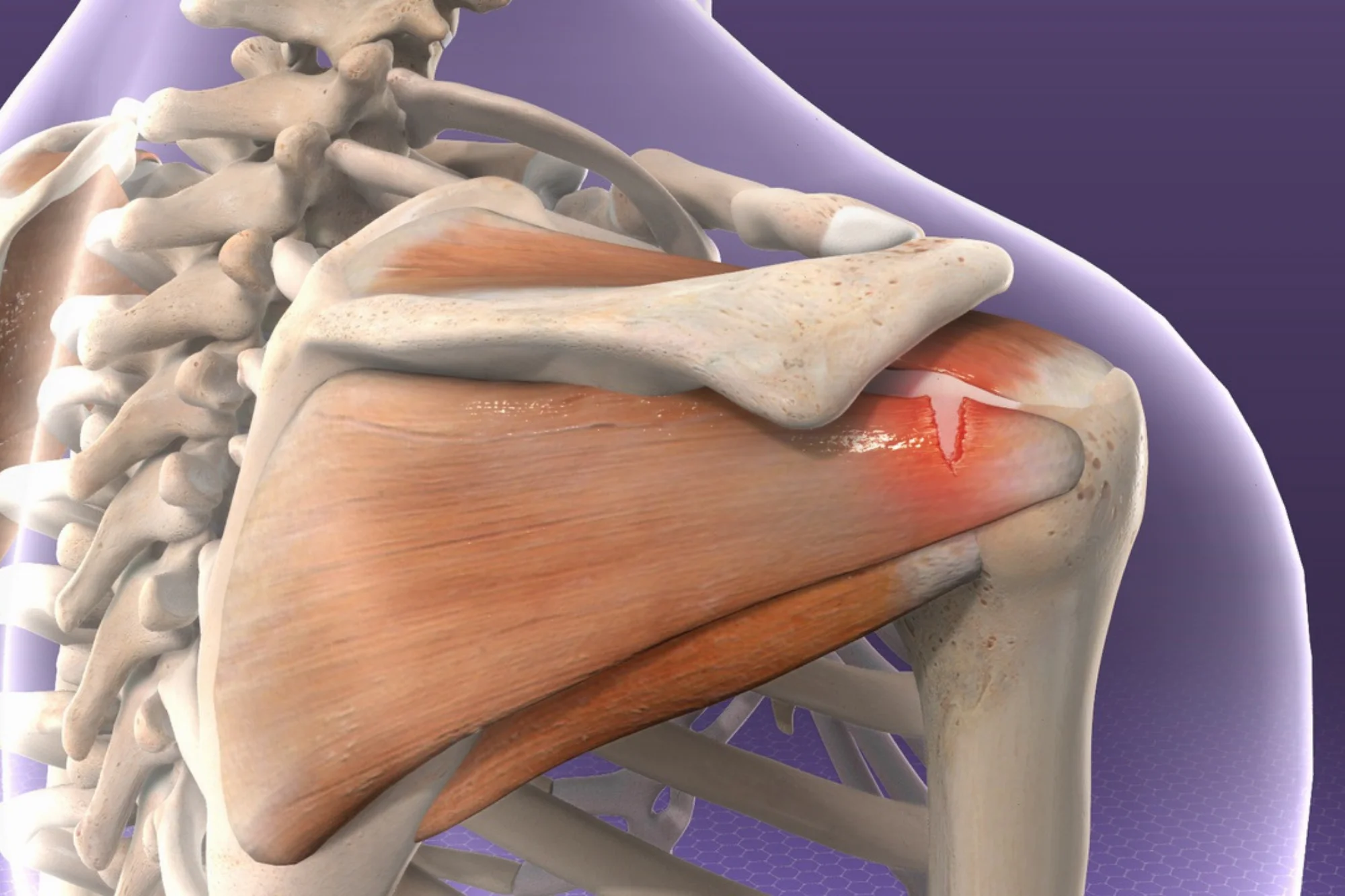

The shoulder stands out as one of the most mobile and versatile joints in the human body, allowing for a range of motion that facilitates everything from reaching for a high shelf to throwing a baseball. This flexibility relies on a complex network of muscles and tendons known as the rotator cuff. You may ask, “What is the rotator cuff, and what does it do?” In this post, we’ll explore the rotator cuff, including common conditions that affect it and treatment strategies.
Key Takeaways
- The rotator cuff consists of four distinct muscles and their tendons that work together to stabilize the shoulder and facilitate arm rotation.
- Common symptoms of a rotator cuff issue can include a dull ache deep in the shoulder, arm weakness, and difficulty reaching overhead or behind the back.
- Many patients find relief through conservative treatments such as physical therapy, activity modification, and anti-inflammatory measures. Surgery may be considered for severe conditions or when non-surgical approaches do not provide sufficient relief.
Understanding the Anatomy of the Shoulder
The shoulder is often compared to a golf ball sitting on a tee. The “ball” is the head of the humerus (upper arm bone), and the “tee” is the glenoid, a shallow socket on the scapula (shoulder blade). Because the socket is so shallow, the joint requires a specialized support system to keep the bones aligned.
The rotator cuff provides support through a group of four muscles that originate on the shoulder blade and attach to the humerus via tough, fibrous tendons. These four muscles include:
- Supraspinatus: This muscle primarily assists in lifting the arm out to the side and helps hold the humerus in place.
- Infraspinatus: This muscle allows you to rotate your arm outward and provides stability to the back of the joint.
- Teres Minor: Working alongside the infraspinatus, this small muscle also aids in outward rotation. It plays a key role in fine-tuning the position of the humeral head.
- Subscapularis: Located on the front of the shoulder blade, this muscle enables inward rotation and protects the front of the joint.
Together, these structures form a “cuff” that completely surrounds the head of the humerus. When you move your arm, these muscles contract in a coordinated fashion to pull the ball tightly into the socket. This dynamic stabilization prevents the arm bone from sliding out of place during powerful or wide-ranging movements. The coordination required is remarkable, as the muscles must adjust their tension in milliseconds to respond to changing loads and positions.
Beyond just holding the joint together, the rotator cuff acts as a compressor of the joint. By pulling the humeral head into the glenoid, it creates a suction-like effect that enhances the stability provided by the surrounding ligaments. Without a functioning rotator cuff, the shoulder would likely feel unstable or “loose,” even if the bones themselves were healthy.
Common Conditions Affecting the Rotator Cuff
When people ask, “What is the rotator cuff?” they may be seeking information because they are experiencing discomfort. In the following subsections, we’ll review some common conditions that can affect the rotator cuff.
Rotator Cuff Tendonitis and Bursitis
Tendonitis occurs when the tendons of the rotator cuff become inflamed or irritated. This condition may develop due to repetitive overhead activities, such as painting, swimming, or weightlifting. Closely related is bursitis, which involves inflammation of the bursa, a small, fluid-filled sac that provides a cushion between the rotator cuff tendons and the overlying bone (the acromion). When these structures swell, the space available for movement narrows, potentially leading to a painful “pinching” sensation known as impingement.
Rotator Cuff Tears
A tear represents an injury where the tendon is partially or completely detached from the bone. These injuries generally fall into two categories:
- Acute Tears: These often result from a sudden injury, such as falling on an outstretched arm or lifting a heavy object with a jerking motion.
- Degenerative Tears: These occur slowly over time as the tendon wears down. Factors such as age, repetitive stress, and diminished blood supply to the tendon may contribute to this process.
It is important to note that not all tears cause immediate or severe pain. Some individuals might have a small tear and only notice a slight decrease in strength or occasional discomfort during specific activities. However, larger tears frequently lead to more pronounced symptoms that can interfere with daily life and sleep.
In some cases, a tear might be “asymptomatic,” meaning the person feels no pain at all. This is particularly common in older adults, where changes in the tendons are a normal part of the aging process. However, for an active individual or someone who relies on their shoulder for work, even an asymptomatic tear might eventually become problematic if the demands on the shoulder increase.
Recognizing the Symptoms of an Injury
While every patient’s experience differs, certain signs frequently suggest that the rotator cuff might be involved.
Many individuals report a deep, dull ache located within the shoulder. This pain often intensifies when you attempt to sleep on the affected side or when you reach for objects behind your back. You might also notice a clicking or popping sensation when moving your arm in certain directions. Weakness is another common symptom; you may find it difficult to lift a gallon of milk or perform simple tasks like brushing your hair.
While some discomfort might resolve with rest, persistent pain that lasts for several weeks may warrant a closer look by an experienced shoulder specialist.
How Specialists Diagnose Rotator Cuff Issues
When you visit a doctor to discuss your shoulder pain, they will likely begin with a detailed medical history and a physical examination. During the exam, the specialist may move your arm in various directions to test your range of motion and strength.
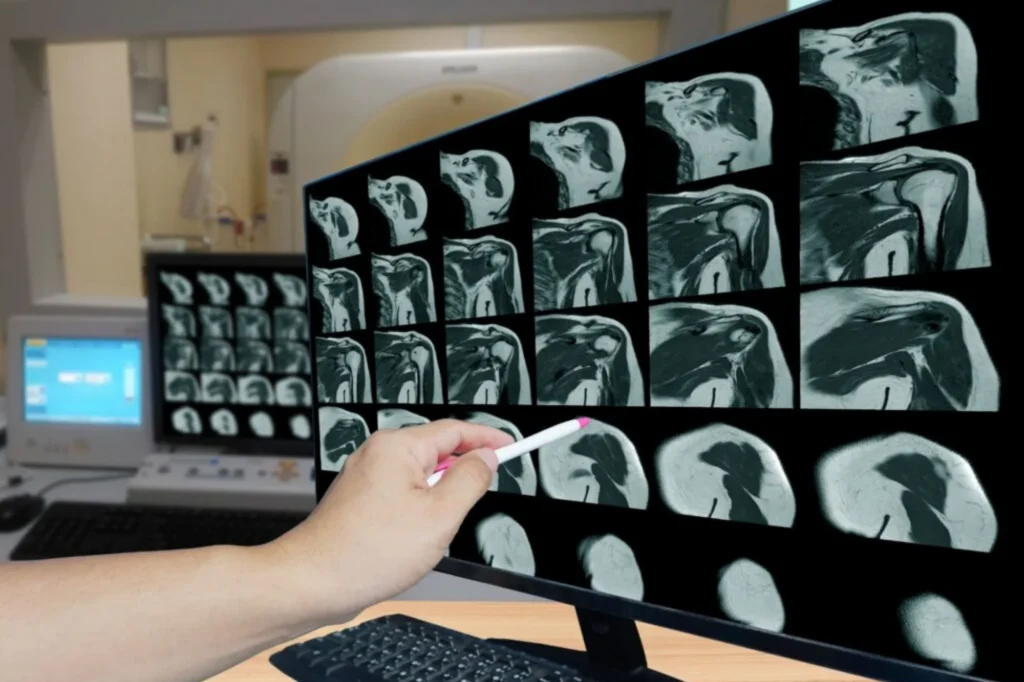
To confirm a diagnosis and determine the extent of any damage, imaging studies are frequently utilized. These may include:
- X-rays: While X-rays do not show the tendons themselves, they can reveal bone spurs or other changes that might be contributing to impingement. They also help rule out other causes of pain, such as arthritis or fractures.
- Ultrasound: This tool allows the provider to view the tendons in real-time as you move your shoulder.
- MRI (Magnetic Resonance Imaging): An MRI provides the most detailed view of the soft tissues, typically allowing a specialist to see the size and location of a tear.
By combining the findings from the physical exam with imaging results, a shoulder specialist can develop a personalized treatment plan tailored to your specific needs and goals.
Non-Surgical Treatment Options
For many patients, rotator cuff issues respond well to non-surgical management. The primary goals of conservative treatment are to reduce inflammation, alleviate pain, and restore function to the shoulder.
Rest and Activity Modification
The first step often involves avoiding the activities that aggravate your symptoms. This does not usually mean keeping your arm completely still, as total inactivity can lead to stiffness. Instead, you might need to limit overhead reaching or heavy lifting for a period.
Physical Therapy
A physical therapist can design a program of gentle stretching and strengthening exercises. These exercises focus on improving the flexibility of the joint and strengthening the muscles that support the shoulder. By strengthening the surrounding muscles, you may help reduce the overall stress on the rotator cuff.
Medications and Injections
Over-the-counter anti-inflammatory medications, such as ibuprofen or naproxen, may help reduce swelling and pain. In some cases, a specialist might suggest a corticosteroid injection. This injection delivers powerful anti-inflammatory medication directly into the space around the tendons, which may provide temporary relief and allow you to participate more effectively in physical therapy.
When is Surgery Necessary?
While many people improve without surgery, there are situations where a surgical repair might be the most appropriate path forward. Your specialist may discuss surgical options if you have a large, acute tear or if your symptoms have not improved after several months of dedicated conservative treatment.
Modern rotator cuff surgery is frequently performed using arthroscopic techniques. This involves making several small incisions and using a tiny camera (arthroscope) and specialized instruments to reattach the torn tendon to the bone. This minimally invasive approach may result in less postoperative pain and a faster initial recovery compared to traditional open surgery. During the procedure, the surgeon may also address other issues, such as removing bone spurs or cleaning up an inflamed bursa.
The decision to proceed with surgery is often a collaborative one, taking into account your age, activity level, and how much the injury is impacting your quality of life. You and your surgeon can discuss the possible risks and benefits to help you make an informed choice.
Preventing Future Rotator Cuff Injuries
While you cannot prevent every injury, there are steps you can take to keep your shoulders healthy and reduce the risk of future problems. For example, maintaining good posture can be important, as slouching may narrow the space in your shoulder joint and increase the likelihood of impingement.
Incorporating regular shoulder-strengthening exercises into your routine may also be beneficial. Focus on exercises that target the “scapular stabilizers,” the muscles that control your shoulder blade, as well as the rotator cuff muscles themselves. If your job or hobbies involve repetitive overhead motions, try to take frequent breaks and use proper mechanics to minimize strain.
Listening to your body is equally essential. If you start to feel a “twinge” or persistent ache in your shoulder, it might be a sign to rest and evaluate your activity level.
Summary
By understanding “What is the rotator cuff?” and recognizing the signs of potential issues, you can take an active role in your shoulder health. Whether through preventive exercises, physical therapy, or advanced surgical techniques, there are many ways to manage rotator cuff conditions. If you are struggling with shoulder pain, consulting with an orthopedic specialist may be the first step to provide you with the guidance needed to start your journey toward recovery.
Frequently Asked Questions
How long does it take to recover from rotator cuff surgery?
As a general guideline, many patients can expect to wear a sling for four to six weeks. Full recovery, including a return to heavy lifting or sports, may take six months to a year or longer. Timelines can vary significantly between patients, depending on the repair and individual health factors.
Is age a factor in rotator cuff injuries?
Yes, the risk of degenerative rotator cuff tears increases as we age. This is partly due to natural wear and tear and a decrease in the blood supply to the tendons.
What is the difference between a partial and a full-thickness tear?
A partial tear means the tendon is damaged or frayed but still attached to the bone. A full-thickness tear, also known as a complete tear, means the tendon has completely separated from the bone. Both can cause pain and weakness.
How can I sleep comfortably with a rotator cuff injury?
Many patients find relief by sleeping in a semi-upright position, such as in a recliner or propped up with pillows. Placing a small pillow under the affected arm may also help reduce the strain on the rotator cuff tendons during the night.